

Understanding Jewelry Manufacturing Processes
The Journey of Jewelry Creation
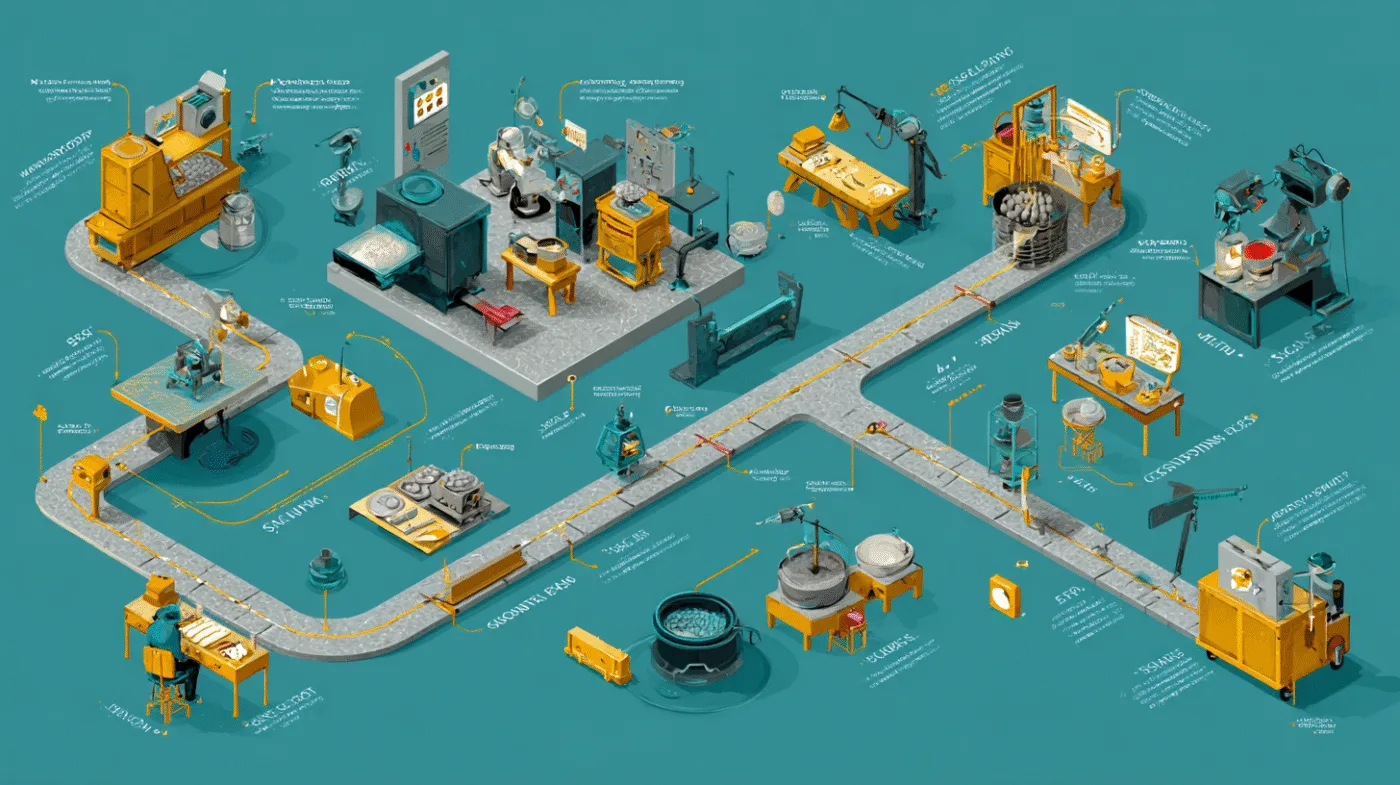
Jewelry manufacturing is a fascinating blend of art and science. Whether it’s a delicate bracelet or an intricate necklace, every piece of jewelry goes through a series of well-defined processes that transform raw materials into stunning adornments.
1. Design Phase
The first step in the jewelry manufacturing process is the design phase. This is where creativity meets technology. Jewelers often use software like CAD (Computer-Aided Design) to create detailed digital models of their designs. This allows for precise visualization and modifications before moving to the physical creation.
2. Material Selection
Once the design is finalized, the next step is selecting the materials. Common materials include precious metals such as gold, silver, and platinum, as well as gemstones like diamonds, sapphires, and emeralds. The choice of materials significantly impacts the overall quality and aesthetic of the final piece.
3. Prototyping
After materials are selected, jewelers often create a prototype. This can be done using 3D printing technology, which allows for rapid prototyping and testing of the design. Prototypes help in identifying any design flaws and ensuring that the piece meets the intended specifications.
4. Casting
The casting process involves pouring molten metal into a mold to create the desired shape of the jewelry piece. There are several casting methods, including investment casting and lost-wax casting, each offering unique benefits depending on the design complexity.
5. Assembly
Once the components are cast, they are assembled together. This may involve soldering, welding, or using adhesives to join different parts. Careful attention to detail is crucial in this stage to ensure that the piece is both beautiful and structurally sound.
6. Finishing Touches
After assembly, the jewelry piece goes through finishing processes such as polishing, plating, and stone setting. Polishing enhances the shine and smoothness of the surface, while plating can add a layer of gold or rhodium for added luster. Stone setting is a meticulous process that secures gemstones in place, ensuring they are both beautiful and well-protected.
7. Quality Control
Quality control is an essential part of the manufacturing process. Each piece is carefully inspected for flaws, and tests are performed to ensure that it meets industry standards. This step guarantees that only the highest quality jewelry reaches the consumer.
Conclusion
Understanding the jewelry manufacturing processes provides insight into the craftsmanship and dedication that goes into creating each piece. From the initial design to the final inspection, every step is crucial in bringing beautiful jewelry to life. The next time you admire a stunning piece, remember the intricate journey it undertook to reach you.
For more info or to shop, visit www.nazojewelry.com
